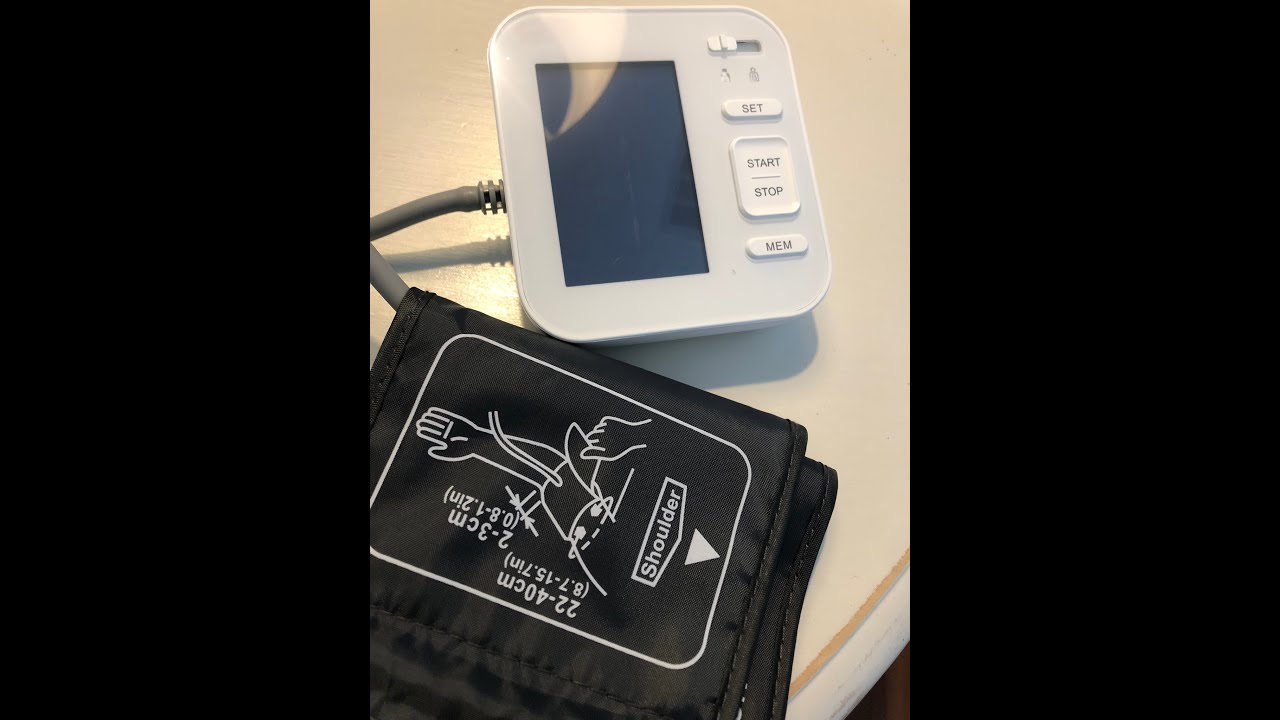
How To Take Your Blood Pressure at Home
High blood pressure is often called the "silent killer" because it usually causes no symptoms until it is dangerously high. Over time, it can damage your heart, brain, kidneys, eyes and blood vessels and raise your risk of heart attack and stroke. In this video, Dr. Kerry Reller shows how to check your blood pressure correctly at home.
What Do the Numbers Mean?
Blood pressure is written as two numbers. The top number, systolic, measures pressure when your heart beats. The bottom number, diastolic, measures pressure between beats.
Normal: Less than 120/80
Elevated: 120 to 129 systolic and less than 80 diastolic
Stage 1 high blood pressure: 130 to 139 or 80 to 89
Stage 2 high blood pressure: 140/90 or higher
Severe: Over 180/120. Call your doctor right away, and call 911 if you have chest pain, shortness of breath, weakness, vision changes or trouble speaking.
How to Take Your Blood Pressure at Home
Use a validated, upper-arm cuff in the right size for your arm.
Avoid caffeine, exercise and smoking for 30 minutes before checking.
Empty your bladder and sit quietly for five minutes first.
Sit with your back supported, feet flat on the floor and legs uncrossed.
Rest your arm on a table at heart level, with the cuff on bare skin.
Do not talk during the reading.
Take two readings one minute apart and write them down, or use a cuff that saves them.
Check at the same times each day, such as morning and evening.
Why Home Readings Matter
Some people have "white coat hypertension," with high readings in the office but normal numbers at home. Others have the opposite, called masked hypertension. Home readings give a more complete picture and help your doctor adjust your medications safely. Dr. Reller has even reduced some patients' medications after home readings showed their pressure was running too low.
Key Takeaways
Know your numbers: Normal is below 120/80.
Measure the right way: Technique makes a big difference.
Bring your log: Share home readings at your visits.
Lifestyle helps: Less salt, more fruits and vegetables, regular exercise, limited alcohol and weight loss all lower blood pressure.
Conclusion
Checking your blood pressure at home is one of the simplest ways to protect your heart, brain and kidneys. If you have not had a checkup lately or need help managing your blood pressure, Clearwater Family Medicine and Allergy can help. Call (727) 446-1097 or visit cfma.health.
Chronic disease care at CFMA: We help adults manage conditions like diabetes, high blood pressure, high cholesterol and fatty liver with a lifestyle-focused approach in Clearwater and Palm Harbor. Learn about our chronic disease management.


