Cholesterol Awareness Month - The Bad LDL Cholesterol
"What is cholesterol?" is one of the most common questions Dr. Kerry Reller hears in the office. To kick off National Cholesterol Education Month, she explains the basics of cholesterol and how to lower your LDL, the "bad" cholesterol.
What Is Cholesterol?
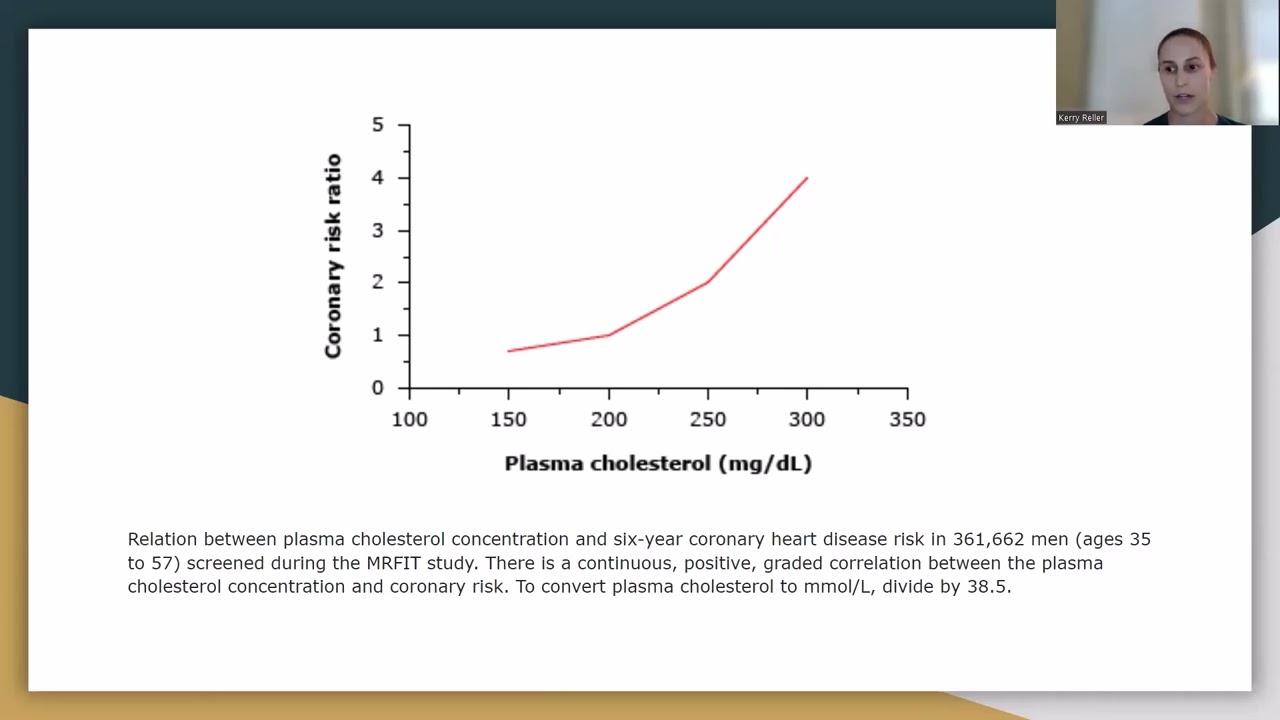
Cholesterol is a waxy substance made by your liver and found in some foods. Your body needs it to build healthy cells, make hormones and produce vitamin D. Fat in your diet also helps you absorb vitamins A, D, E and K and helps you feel full after meals. Problems start when too much LDL cholesterol builds up in the blood.
How Cholesterol Leads to Heart Disease
LDL cholesterol, the "lousy" kind, deposits cholesterol into artery walls, where it builds up as plaque. Over time, plaque narrows the arteries and reduces blood flow. When arteries to the heart are narrowed, it can cause chest pain. If a plaque ruptures and a blood clot forms, it can block the artery and cause a heart attack. The same process in the arteries to the brain can cause a stroke. HDL, the "healthy" kind, helps carry cholesterol away from the arteries.
Understanding Your Numbers
Total cholesterol: Ideally less than 200 mg/dL
LDL: Less than 100 mg/dL is optimal for most people, and lower targets are used for people with diabetes or heart disease
HDL: Higher is better
Triglycerides: Less than 150 mg/dL
Your doctor uses these numbers along with your age, blood pressure, smoking status and diabetes to estimate your overall heart risk.
It Is About the Type of Fat
We used to think a low-fat diet was the key to better cholesterol. Research now shows the type of fat matters more. Replace saturated fats, found in fatty meats, butter and full-fat dairy, with unsaturated fats like olive oil, nuts, avocados and fish. Replacing saturated fat with refined carbohydrates instead does not lower heart risk.
Key Takeaways
Eat more fiber: Oats, beans, fruits and vegetables help lower LDL.
Stay active: Aim for at least 150 minutes of moderate exercise a week.
Reach a healthy weight and do not smoke.
Genetics matter: Some people have high cholesterol despite a healthy lifestyle and need medication such as a statin.
Conclusion
High cholesterol rarely causes symptoms, so screening is the only way to know your numbers. If you have not had a checkup lately, Clearwater Family Medicine and Allergy can help with cholesterol testing and a personalized prevention plan. Call (727) 446-1097 or visit cfma.health.
Chronic disease care at CFMA: We help adults manage conditions like diabetes, high blood pressure, high cholesterol and fatty liver with a lifestyle-focused approach in Clearwater and Palm Harbor. Learn about our chronic disease management.


