What is Insulin Resistance?
November is National Diabetes Awareness Month, and one of the best ways to prevent type 2 diabetes is to catch insulin resistance early. In this video, Dr. Kerry Reller, a board-certified family and obesity medicine physician, introduces the hormone insulin and explains its role in weight and blood sugar.
What Does Insulin Do?
Insulin is a hormone made by the pancreas. After you eat, your blood sugar rises and insulin acts like a key, helping sugar move out of the bloodstream and into your cells, where it is used for energy or stored for later. Insulin is also a storage hormone. When levels stay high, the body is more likely to store energy as fat.
What Is Insulin Resistance?
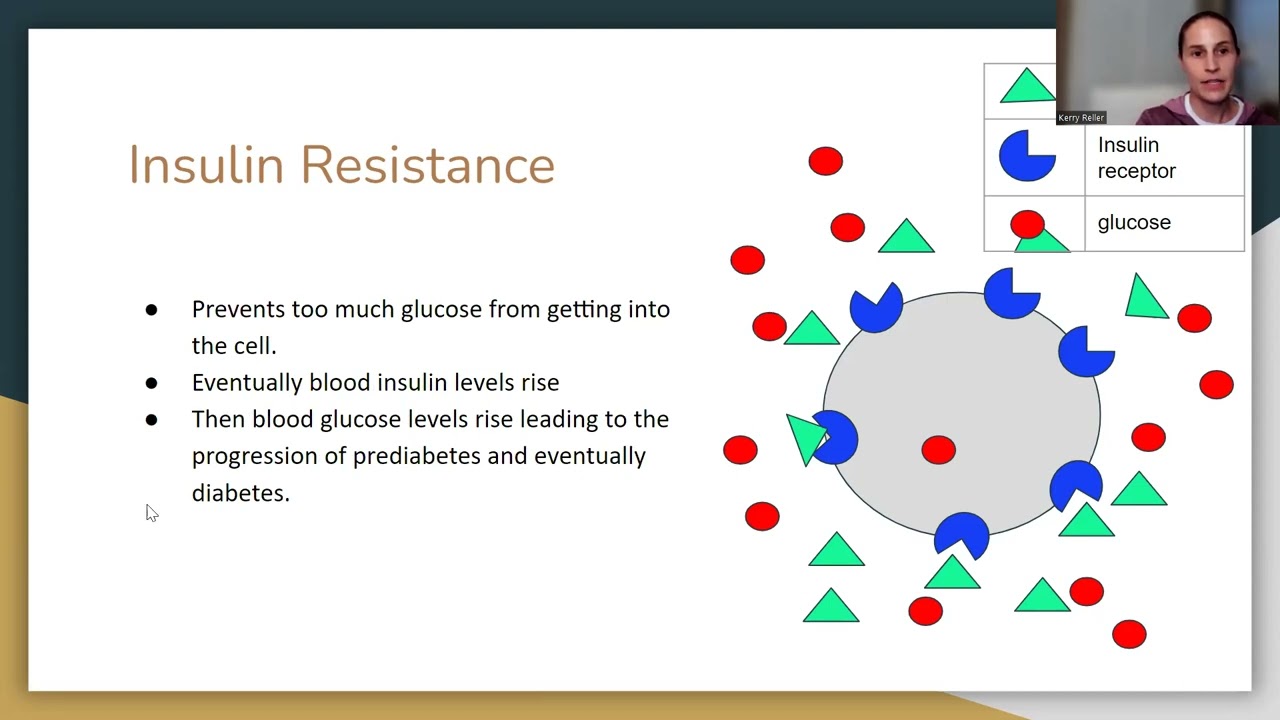
Insulin resistance happens when your muscle, fat and liver cells stop responding well to insulin. The pancreas makes more and more insulin to keep blood sugar normal. For a while it keeps up, so blood sugar tests can look fine for years. Eventually the pancreas cannot keep pace, blood sugar rises and prediabetes or type 2 diabetes develops. High insulin levels can also make weight loss harder and increase hunger.
What Raises Your Risk?
Excess weight, especially around the belly
Inactivity
Family history of type 2 diabetes
Diets high in sugar and refined carbohydrates
Poor sleep and chronic stress
Conditions like PCOS, fatty liver disease and a history of gestational diabetes
Signs to Watch For
Insulin resistance often has no symptoms, but clues can include:
Dark, velvety skin patches on the neck, armpits or groin, called acanthosis nigricans
Skin tags
A growing waistline
Strong cravings and frequent hunger
Fatigue after meals
How It Is Diagnosed
Your doctor can check a fasting blood sugar and hemoglobin A1C, which reflects your average blood sugar over about three months. An A1C of 5.7 to 6.4 percent signals prediabetes, and 6.5 percent or higher signals diabetes. Some doctors also check fasting insulin levels.
Key Takeaways
It is reversible: Losing even 5 to 7 percent of your body weight can greatly lower your risk of type 2 diabetes.
Move more: Exercise helps muscles use sugar, with or without weight loss. Strength training is especially helpful.
Choose fiber and protein: Swap refined carbs and sugary drinks for vegetables, beans, whole grains and lean protein.
Sleep and stress matter: Both affect blood sugar and insulin.
Medications can help: Metformin, GLP-1 medications and others may be options for some people.
Conclusion
Insulin resistance is common, often silent and very treatable when caught early. Ask your doctor about screening if you have risk factors. If you live in the Tampa Bay area and want help with weight, blood sugar or diabetes prevention, Clearwater Family Medicine and Allergy can help. Call (727) 446-1097 or visit cfma.health.
Medical weight management at CFMA: Dr. Kerry Reller, board certified in obesity medicine, leads a physician-guided program with coaching, labs and medication when appropriate, in Clearwater and Palm Harbor. Learn about our Weight Management Membership.


