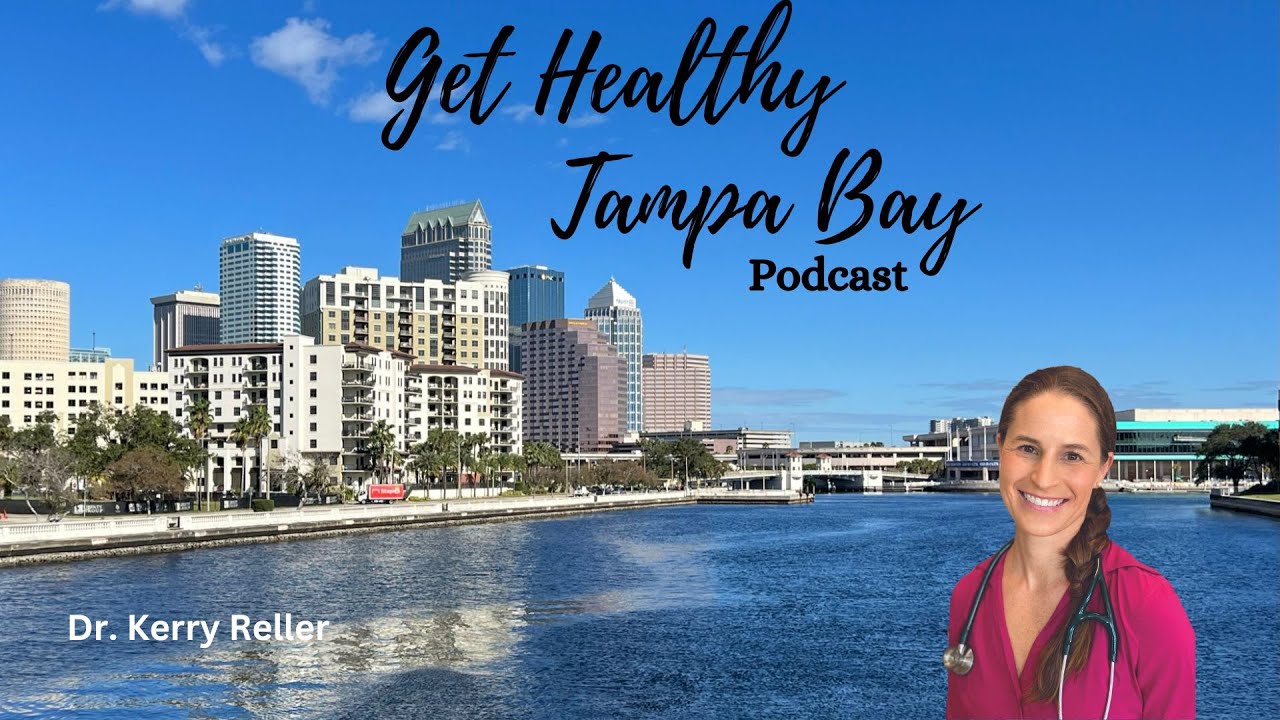
Weight Loss Medications Overview by Dr. Reller
Obesity is a chronic disease, not a failure of willpower, and medications can be an important part of treatment. In this solo episode of the Get Healthy Tampa Bay Podcast, Dr. Kerry Reller, who is board certified in family medicine and obesity medicine, walks through the anti-obesity medications available, how they work, who they are for and their common side effects.
Why Weight Loss Is So Hard
When you lose weight, your body fights back. Hunger hormones like ghrelin rise, while fullness hormones like leptin, GLP-1, amylin and peptide YY fall. That is why many people hit a plateau and feel hungrier than ever. Medications can help counter these changes.
Why 5% to 10% Matters
Losing just 5% to 10% of your body weight can help prevent or improve type 2 diabetes, lower blood pressure and triglycerides, raise HDL cholesterol, ease sleep apnea and improve fatty liver disease.
How Dr. Reller Approaches Medications
Review current medications that may cause weight gain.
Personalize treatment: Some medications also help with other conditions like migraines, smoking or depression.
Plan for the long term: Obesity is chronic, and stopping an effective medication usually leads to weight regain.
Older Oral Medications
Orlistat (Xenical, Alli): Blocks fat absorption, but causes oily stools and urgency, so Dr. Reller rarely recommends it.
Phentermine: An affordable appetite suppressant and stimulant. It can raise blood pressure and cause nervousness, dry mouth and constipation. As a controlled substance, it requires regular visits.
Diethylpropion: Another stimulant appetite suppressant that some people tolerate better than phentermine.
Phentermine-topiramate (Qsymia): Suppresses appetite and helps with evening hunger and soda cravings. It can cause tingling or brain fog and may cause birth defects, so reliable birth control is required. It can be a good fit for people with migraines.
Naltrexone-bupropion (Contrave): Targets cravings and constant "food noise." It may help people who also want to quit smoking or reduce alcohol use. Avoid it with seizures or opioid use. Nausea is common, and mood changes should be reported to your doctor.
Metformin: Not FDA approved for weight loss, but it improves insulin resistance and modestly reduces weight. Extended-release tablets taken with food are easier on the stomach. Long-term use can lower vitamin B12, so levels should be checked.
GLP-1 Medications
These medications slow stomach emptying and act on the brain to increase fullness.
Liraglutide (Saxenda, Victoza): A daily injection.
Semaglutide (Wegovy, Ozempic, Rybelsus): A weekly injection, with average weight loss of about 15% in studies. Since this episode, Wegovy has also been approved to lower the risk of heart attack and stroke in people with heart disease and to treat MASH, an advanced form of fatty liver disease.
Tirzepatide (Mounjaro, Zepbound): Works on both GLP-1 and GIP receptors, with average weight loss of about 21% at the highest dose. When this episode aired, it was approved only for diabetes. It has since been approved for weight management as Zepbound and for obstructive sleep apnea in adults with obesity.
Common side effects include nausea, vomiting, diarrhea, constipation, reflux and abdominal pain, which usually improve with slow dose increases. These medications are not recommended for people with a personal or family history of medullary thyroid cancer or MEN2, and need caution with a history of pancreatitis. Wegovy is also approved for teens 12 and older.
Other Options
Lisdexamfetamine (Vyvanse): The only FDA-approved medication for binge eating disorder.
Plenity: A capsule that forms a gel in the stomach to increase fullness, cleared for adults with a BMI of 25 to 40.
Cost and Coverage
Cost and insurance coverage change often. Some manufacturers now offer self-pay programs at lower prices. Ask your doctor about the options that fit your health and budget.
Key Takeaways
Obesity is a chronic disease, and weight is a symptom
Your body fights weight loss through hunger hormones
A 5% to 10% loss brings real health benefits
GLP-1 medications are the most effective options available
Medications work best long term with lifestyle changes
Conclusion
The right medication depends on your health history, goals and budget. Dr. Reller offers personalized medical weight management, including anti-obesity medications, at Clearwater Family Medicine and Allergy in Clearwater and Palm Harbor. Call (727) 446-1097 or visit cfma.health.
Listen to the full episode on the Get Healthy Tampa Bay Podcast: Weight Loss Medications Overview with Dr. Reller
Listen and Learn More
Watch the full episode above or listen to the Get Healthy Tampa Bay Podcast on your favorite podcast app. To schedule a visit with Dr. Kerry Reller at Clearwater Family Medicine and Allergy in Clearwater or Palm Harbor, call (727) 446-1097.
Medical weight management at CFMA: Dr. Kerry Reller, board certified in obesity medicine, leads a physician-guided program with coaching, labs and medication when appropriate, in Clearwater and Palm Harbor. Learn about our Weight Management Membership.


