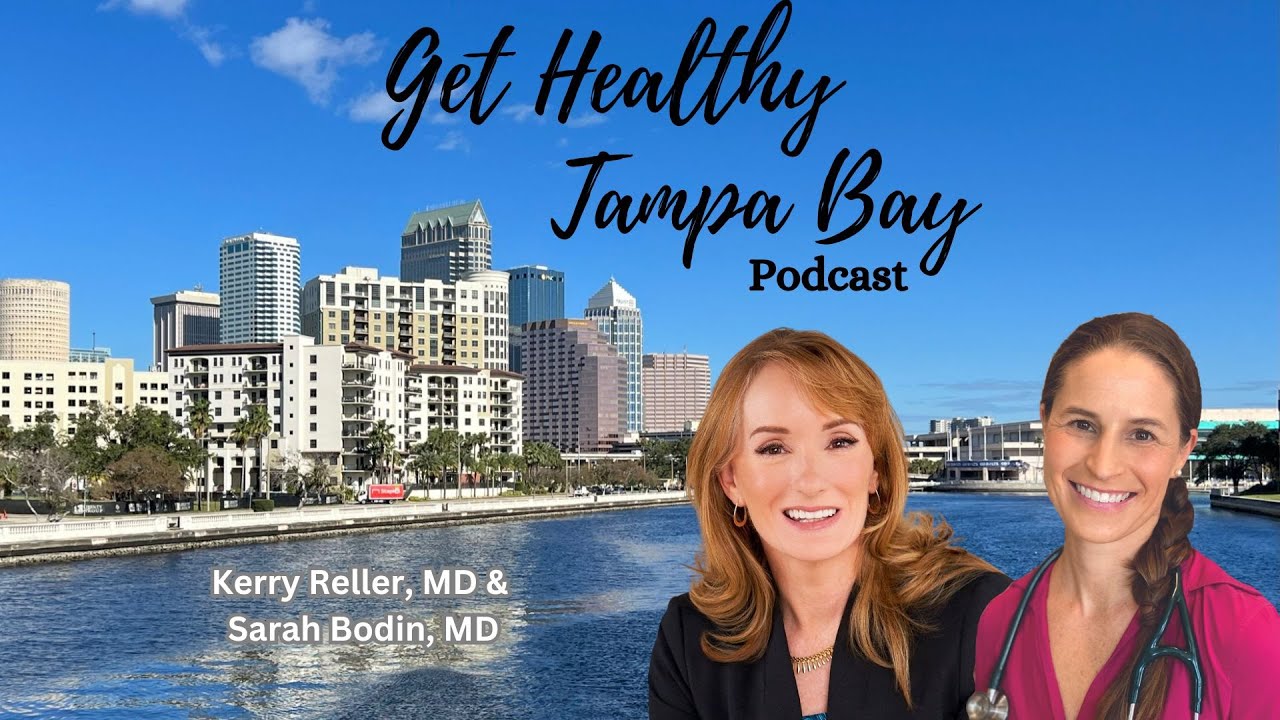
Understanding Obesity Through Anesthesia and Beyond with Dr. Sarah Bodin
Obesity affects far more than the number on the scale. It can make surgery riskier, and it is shaped by a food system and policies most of us never think about. In this episode of the Get Healthy Tampa Bay Podcast, Dr. Kerry Reller talks with Dr. Sarah Bodin, an anesthesiologist of nearly 25 years in St. Augustine who is now board certified in obesity medicine, about anesthesia safety, GLP-1 medications before surgery and how food policy fuels the obesity epidemic.
Why Obesity Makes Anesthesia More Complicated
Obstructive sleep apnea: About one in five adults has it, and most do not know. It makes breathing tubes and sedation harder to manage and increases sensitivity to opioids and sedatives.
Harder IV and nerve block placement
Related conditions: Diabetes, high blood pressure and heart disease add risk.
Medication dosing changes with body size and fat.
Positioning challenges on the operating table.
Dr. Bodin notes that a "surgical clearance" is less helpful than knowing whether a patient's conditions are well controlled. A heads-up about sleep apnea or a large neck size also helps the anesthesia team plan.
GLP-1 Medications and Surgery
Medications like semaglutide (Ozempic, Wegovy) and tirzepatide (Mounjaro, Zepbound) slow stomach emptying, which helps people feel full. During anesthesia, that can leave food in the stomach and raise the risk of inhaling stomach contents. When this episode was recorded, guidance recommended holding weekly injections for at least a week before surgery. Since then, newer multi-society guidance from 2024 says many patients can continue these medications, with steps like a clear liquid diet the day before surgery for those at higher risk. Because recommendations keep evolving, always follow the instructions from your surgeon and anesthesiologist. Phentermine is usually stopped several days to two weeks before surgery.
How to Prepare for Surgery
Get chronic conditions under control, like diabetes and blood pressure
Use your CPAP if you have sleep apnea
Lose weight if you can: Even 5 to 10 percent helps.
Eat enough protein to support healing
Stop smoking, even for a short time
How Food Policy Shaped the Obesity Epidemic
The old food pyramid told Americans to eat 6 to 11 servings of grains a day, without separating whole grains from refined ones.
The low-fat craze led companies to replace fat with sugar in many products.
Farm subsidies heavily support corn, soy, wheat and sugar, which are cheap ingredients for processed foods, while fruits and vegetables get little support.
Food engineering: Companies design products to hit the "bliss point," the perfect mix of sugar, salt and fat that makes us want more, and many marketing efforts target children.
Hidden sugar: Sugar appears under dozens of names, even in savory foods and yogurt sold as healthy.
Policies like sugary drink taxes and menu calorie labeling have been shown to reduce consumption. Healthier standards for school lunches and nutrition programs like WIC and SNAP can also make a difference.
Treating Obesity as a Chronic Disease
GLP-1 medications are powerful, but they work best with nutrition, activity and behavior support, and stopping them often leads to weight regain. Insurance coverage for obesity treatment remains limited and is still evolving.
Key Takeaways
Tell your surgical team about all your medications, especially GLP-1s.
Choose whole foods over highly processed ones.
Read labels for added sugar and refined grains.
Learn more: Try Salt Sugar Fat by Michael Moss or Fat Chance by Dr. Robert Lustig.
Conclusion
Obesity is a complex chronic disease, not a personal failing. Dr. Reller is board certified in obesity medicine and helps patients with nutrition, activity, behavior and medication when appropriate at Clearwater Family Medicine and Allergy in Clearwater and Palm Harbor. Call (727) 446-1097 or visit cfma.health.
About Our Guest
Dr. Sarah Bodin is a Diplomate and Fellow of the American Society of Anesthesiologists and a Diplomate of the American Board of Obesity Medicine. With a career spanning over two decades in various medical settings, Dr. Bodin brings a wealth of knowledge to her new specialty. She holds memberships in several prestigious medical associations and has launched a boutique obesity medicine practice in St. Augustine, Florida, serving patients across the state through telehealth. Dr. Bodin's extensive medical background and personal journey into obesity medicine position her as a passionate advocate for innovative and compassionate healthcare solutions.
Connect with Dr. Bodin
Website: https://www.qualityoflifemd.com/
LinkedIn: https://www.linkedin.com/in/sarah-bodin-md-fasa-dabom-366631253/
Facebook: https://www.facebook.com/QualityOfLifeMD
Instagram: https://www.instagram.com/qualityoflifemd/
Tiktok: https://www.tiktok.com/@sarahbodinmd
LinkTree: https://linktr.ee/sarahbodinmd
Listen to the full episode on the Get Healthy Tampa Bay Podcast: Understanding Obesity Through Anesthesia and Beyond with Dr. Sarah Bodin
Listen and Learn More
Watch the full episode above or listen to the Get Healthy Tampa Bay Podcast on your favorite podcast app. To schedule a visit with Dr. Kerry Reller at Clearwater Family Medicine and Allergy in Clearwater or Palm Harbor, call (727) 446-1097.
Medical weight management at CFMA: Dr. Kerry Reller, board certified in obesity medicine, leads a physician-guided program with coaching, labs and medication when appropriate, in Clearwater and Palm Harbor. Learn about our Weight Management Membership.


