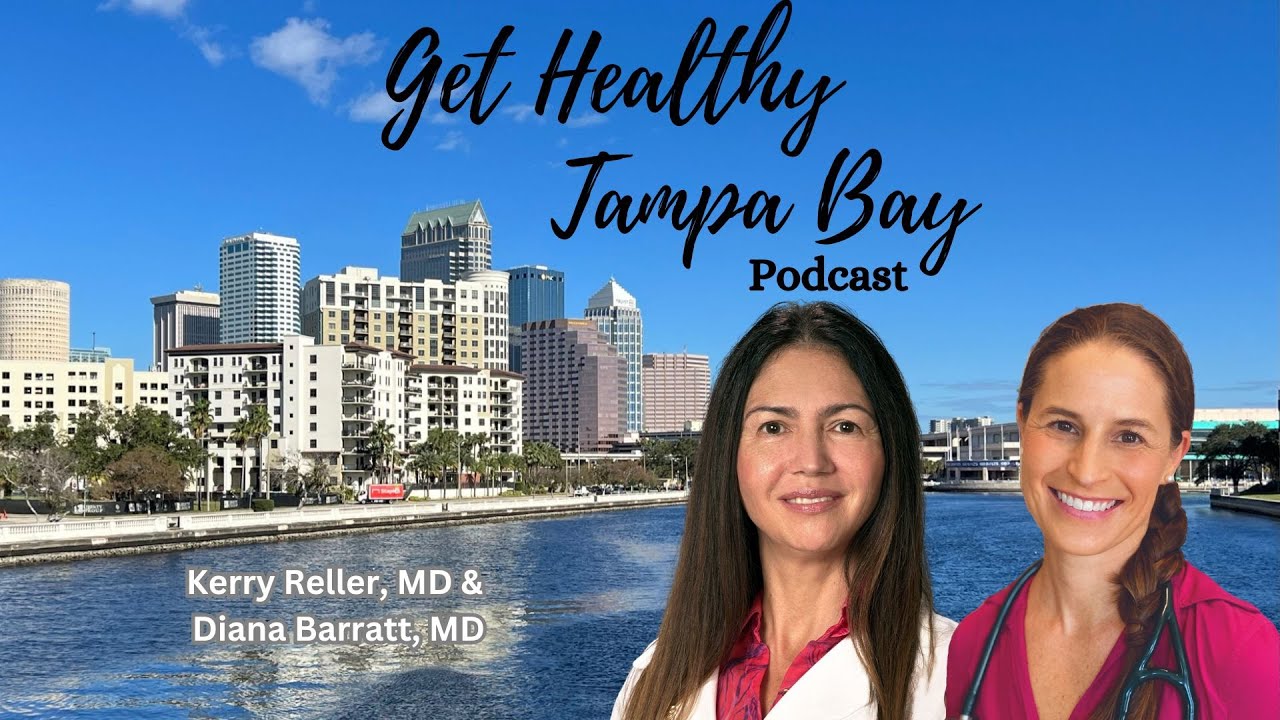
Understanding Memory Loss and Alzheimer’s with Dr. Diana Barratt
Forgetting where you put your keys now and then is normal. Forgetting what year it is or the names of your grandchildren is not. In this episode of the Get Healthy Tampa Bay Podcast, Dr. Kerry Reller talks with Dr. Diana Barratt, a neurologist and sleep medicine specialist in Boca Raton and longtime neurology educator, about memory loss, the different types of dementia, new Alzheimer's treatments and what you can do to protect your brain.
When Is Memory Loss a Concern?
Some forgetfulness is a normal part of aging. Memory loss becomes a concern when it is persistent, when someone loses track of the date or where they are, gets lost while driving or stops enjoying hobbies and socializing. That can signal mild cognitive impairment, which can progress to dementia. Dr. Barratt urges people not to brush it off as old age, because some treatments only work in the early stages.
Reversible Causes to Rule Out First
Too many medications: Sleep aids, anti-anxiety drugs like alprazolam and other medications can build up as metabolism slows with age. Ask your doctor to review your list.
Thyroid disease
Depression
Vitamin deficiencies: Including B12 and vitamin D, even in sunny Florida.
Sleep disorders: Sleep apnea is a major cause of poor thinking, and too little daylight with too much screen time at night can disrupt sleep.
Infections: HIV and syphilis can affect thinking and are treatable.
Types of Dementia
Alzheimer's disease: The most common type, caused by amyloid plaques and tau tangles in the brain.
Vascular dementia: Damage from large or tiny strokes. Risk factors include high blood pressure, diabetes and high cholesterol.
Frontotemporal dementia: Often starts before 65 with personality or behavior changes, or with language problems called primary progressive aphasia.
Dementia with Lewy bodies: Can cause hallucinations and good days and bad days.
Parkinson's disease: Usually starts with slow movement and tremor, with thinking problems later.
Getting the right diagnosis matters because treatments differ.
Diagnosing and Treating Alzheimer's
Alzheimer's used to be confirmed only at autopsy. Now an amyloid PET scan or spinal fluid test can show amyloid in the brain. These tests are for people with symptoms, not routine screening. Dr. Barratt also points out that genetic results like APOE4 may affect long-term care or life insurance, so think before testing if you have no symptoms.
Donepezil (Aricept) and memantine (Namenda): Long-used medications that can help symptoms in mild to moderate Alzheimer's.
Anti-amyloid therapies: Newer medications, given mainly by infusion every two to four weeks, remove amyloid from the brain and modestly slow decline in mild cognitive impairment or mild Alzheimer's. They do not stop or reverse the disease. They can cause brain swelling or small bleeds, so patients need regular MRIs, and people with two copies of the APOE4 gene face a higher risk.
Lifestyle Steps That Protect Your Brain
Stay social: Conversation uses many parts of the brain at once and does more than solo puzzles or brain games.
Treat hearing loss: Get tested and use well-fitted hearing aids.
Exercise: Aerobic exercise can help parts of the brain grow, and strength training helps prevent muscle loss and falls.
Use memory supports: Reviewing photos and names before family gatherings can help someone stay engaged.
Key Takeaways
Do not chalk it up to age: Get evaluated early.
Check for reversible causes first.
Muscle loss starts around 30: It is never too late to build strength.
Conclusion
Memory changes can be frightening, but many causes are treatable and early diagnosis opens more options. If you or a loved one notice memory changes, start with your primary care doctor for a full evaluation. Clearwater Family Medicine and Allergy offers primary care in Clearwater and Palm Harbor. Call (727) 446-1097 or visit cfma.health.
About Our Guest:
Dr. Diana Barratt is a board-certified neurologist and sleep medicine expert based in Boca Raton, Florida. With over a decade of experience as a neurology educator and program director, Dr. Barratt now runs a concierge-style practice focused on Alzheimer’s disease and cognitive health. She has been involved in clinical trials for groundbreaking Alzheimer’s treatments and is passionate about providing personalized care for her patients.
For more information, visit her website at DianaBarrattMD.com.
Connect with Dr. Diana Barratt
Listen to the full episode on the Get Healthy Tampa Bay Podcast: Understanding Memory Loss and Alzheimer’s with Dr. Diana Barratt
Listen and Learn More
Watch the full episode above or listen to the Get Healthy Tampa Bay Podcast on your favorite podcast app. To schedule a visit with Dr. Kerry Reller at Clearwater Family Medicine and Allergy in Clearwater or Palm Harbor, call (727) 446-1097.


