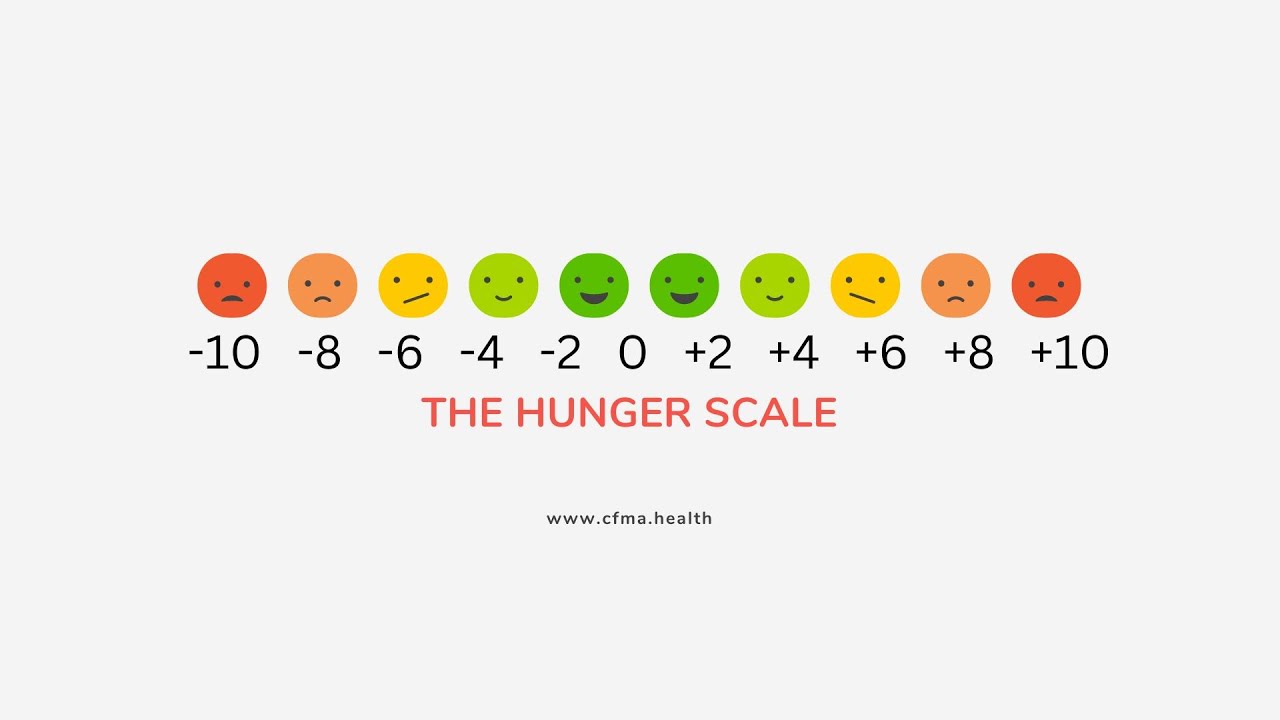
The First Step to Weight Management - The Hunger Scale
One of the first tools Dr. Kerry Reller introduces to her weight management patients is not a diet or a medication. It is the hunger scale, a simple way to tune back into your body's signals of hunger and fullness. In this short video, she explains why listening to your body is the first step in managing your weight.
Why Hunger Cues Matter
Many of us eat for reasons that have nothing to do with physical hunger: the clock says it is lunchtime, food is in front of us, we are stressed, bored or tired, or we were raised to clean our plates. Over time, it becomes easy to lose touch with what real hunger and comfortable fullness feel like. The hunger scale helps you check in before, during and after eating.
How the Hunger Scale Works
The scale usually runs from 1 to 10:
1 to 2, starving: Weak, shaky, irritable or lightheaded. Waiting this long often leads to overeating.
3 to 4, hungry: Your stomach is growling and you are thinking about food. This is a good time to eat.
5, neutral: Neither hungry nor full.
6 to 7, satisfied: Comfortably full and content. This is a good time to stop.
8 to 10, stuffed: Uncomfortably full, bloated or sleepy, like after a big holiday meal.
The goal is to start eating around a 3 or 4 and stop around a 6 or 7.
Tips for Using the Scale
Pause before you eat: Ask yourself where you are on the scale. If you are not physically hungry, ask what you are really looking for.
Slow down: It takes about 20 minutes for your brain to register fullness. Put your fork down between bites and check in halfway through your meal.
Do not wait until you are starving: Going too long without eating makes it much harder to make thoughtful choices.
Notice patterns: Jot down your hunger level with meals and snacks for a week. You may spot emotional or habitual eating you did not realize was happening.
Key Takeaways
Listen to your body: Physical hunger builds gradually and can be satisfied by many foods. Emotional hunger comes on suddenly and often craves something specific.
Aim for the middle: Eat when moderately hungry and stop when comfortably satisfied.
Be patient with yourself: Relearning hunger cues takes practice, and every meal is a chance to try again.
Conclusion
The hunger scale is a simple, free tool that helps you build a healthier relationship with food and supports lasting weight management. If you would like personalized help with your weight, Dr. Reller offers medical weight management at Clearwater Family Medicine and Allergy in Clearwater and Palm Harbor. Call (727) 446-1097 or visit cfma.health.
Medical weight management at CFMA: Dr. Kerry Reller, board certified in obesity medicine, leads a physician-guided program with coaching, labs and medication when appropriate, in Clearwater and Palm Harbor. Learn about our Weight Management Membership.


