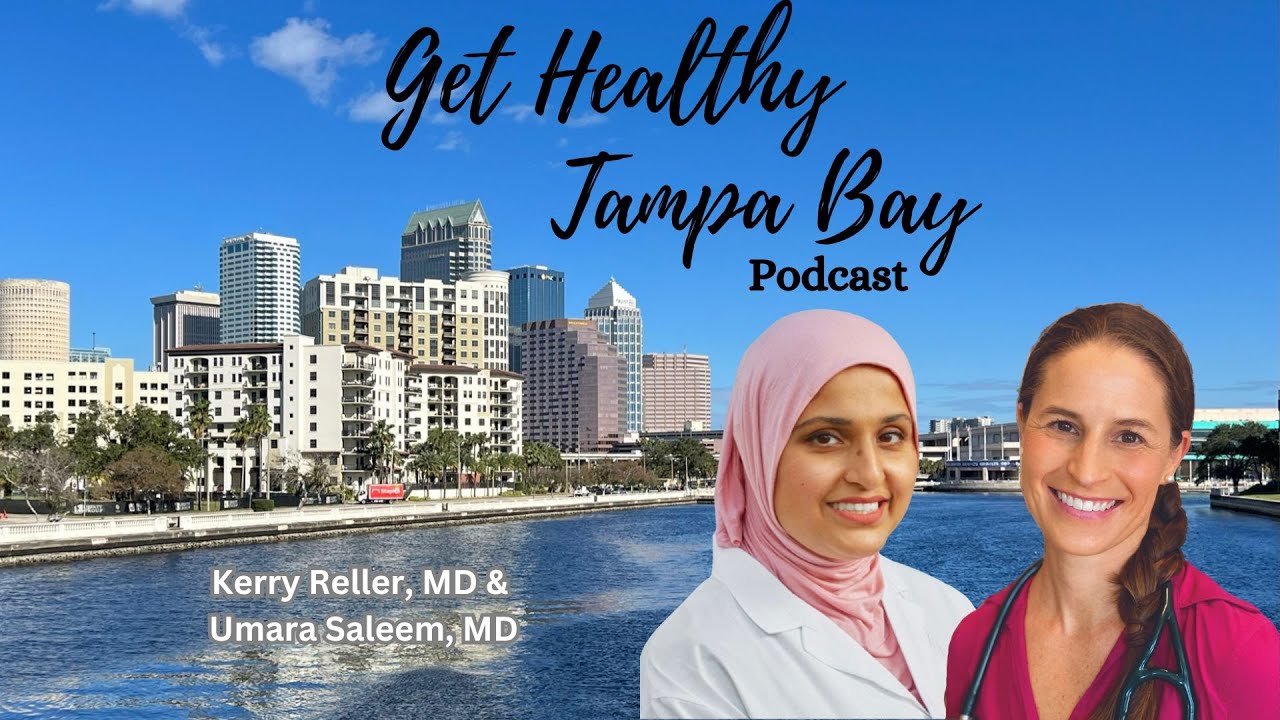
Ramadan Reset: The Spiritual and Health Benefits of Fasting with Dr. Umara Saleem
Ramadan is a month of prayer, reflection and fasting for Muslims around the world, and it can also bring meaningful changes to daily health routines. In this episode of the Get Healthy Tampa Bay Podcast, Dr. Kerry Reller talks with Dr. Umara Saleem, a board-certified family medicine physician and co-owner of Gravity Health with offices in Brandon and Temple Terrace, about the spiritual meaning of Ramadan, what fasting does in the body and how doctors can better support Muslim patients.
What Is Ramadan?
Ramadan is a holy month on the Islamic lunar calendar, so its dates shift about 11 days earlier each year. Fasting during Ramadan is one of the five pillars of Islam:
Shahada: The declaration of faith in one God and in the Prophet Muhammad.
Salah: Prayer five times a day.
Sawm: Fasting during Ramadan.
Zakat: Giving charity, generally 2.5 percent of savings for those able to give.
Hajj: The pilgrimage to Mecca for those who are able.
From dawn to sunset, people who are fasting take nothing by mouth, not even water or oral medicine. The month is also a time to give up habits like smoking, spend more time in prayer and reading the Quran and focus on kindness, charity and community. Evenings often bring shared meals at the mosque.
Who Is Exempt from Fasting?
Fasting is required starting at puberty, but Islam excuses people when fasting would harm their health. That includes people who are pregnant or nursing, older adults, people who are ill and anyone who needs medication during daylight hours. Dr. Saleem says some patients feel cultural pressure to fast anyway, so she talks openly with them about risks like dehydration and poor nutrition, and reminds them that protecting their health is allowed in Islam.
How Fasting May Affect Your Health
Dr. Saleem describes several possible benefits she sees in her patients and in the research:
Cholesterol: Many of her patients show lower LDL and total cholesterol on labs repeated after the month.
Appetite and habits: A month of new routines can reset cravings, caffeine habits and portion sizes.
Cellular cleanup: Fasting triggers autophagy, a process in which cells break down and recycle old proteins.
Inflammation, gut and hormones: Some studies suggest fasting may lower inflammatory markers, ease bloating and reflux and improve insulin sensitivity, which can help women with PCOS.
Mental clarity: Prayer, recitation and time away from planning meals can bring a sense of calm and focus.
Research on Ramadan fasting is still growing, and results vary from person to person.
Key Takeaways
Eat a nourishing pre-dawn meal: Choose protein, complex carbohydrates, fiber and healthy fats. Many people start with water and dates, a traditional choice rich in fiber and potassium.
Hydrate between sunset and dawn: Water and electrolyte drinks help prevent dehydration and constipation.
Time exercise wisely: Many people work out before the pre-dawn meal or after breaking their fast.
Plan medications ahead: Talk with your doctor before Ramadan, especially if you take insulin or other diabetes medications that can cause low blood sugar.
Tips for Doctors, Schools and Coaches
Dr. Saleem shared how small adjustments can make a big difference:
Adjust medication schedules: Twice-daily medicines can often be taken at the pre-dawn meal and at sunset. Some can be changed to once-daily doses. She once switched a family's strep throat antibiotic schedule this way so the children could finish treatment.
Ask and listen: A simple "Happy Ramadan" and a question about how fasting affects their medicines can help patients feel comfortable sharing that they are skipping doses.
Support kids and athletes: Schools can let fasting students skip the lunchroom, and coaches can move practices indoors or to cooler times.
Understand sleep changes: Late-night prayers, especially in the last ten nights, can make people sleepier during the day.
Conclusion
Ramadan can be a time of spiritual renewal and healthy change, but fasting safely takes planning, especially for people with chronic conditions. If you plan to fast, talk with your doctor ahead of time about your medications and health goals. If you live in the Tampa Bay area and need a primary care physician, Clearwater Family Medicine and Allergy can help. Call (727) 446-1097 or visit cfma.health.
About Our Guest: Dr. Umara Saleem
Dr. Umara Saleem is a board-certified family medicine physician and founder of Gravity Health in Tampa, FL. Her practice focuses on holistic primary care, medical weight loss, and concierge medicine. Passionate about community health, she helps patients create sustainable lifestyle changes to improve their overall well-being.
Dr. Saleem brings a unique perspective to fasting and wellness, blending medical expertise with cultural and religious awareness to help patients fast safely while optimizing their health.
Find Dr. Umara Saleem at: 🌐 Website: GravityHealthFL.com 📞 Contact: 813-521-6700
What’s Your Go-To Hydration Tip for Ramadan?
Drop your favorite hydration strategies in the comments below! Let’s support each other in having a healthy and blessed Ramadan!
Connect with Dr. Umara Saleem
Listen to the full episode on the Get Healthy Tampa Bay Podcast: Ramadan Reset: The Spiritual and Health Transformations of Fasting with Dr. Umara Saleem
Listen and Learn More
Watch the full episode above or listen to the Get Healthy Tampa Bay Podcast on your favorite podcast app. To schedule a visit with Dr. Kerry Reller at Clearwater Family Medicine and Allergy in Clearwater or Palm Harbor, call (727) 446-1097.


