Pediatric & Adolescent Gynecology Explained with Dr. Camille Imbo
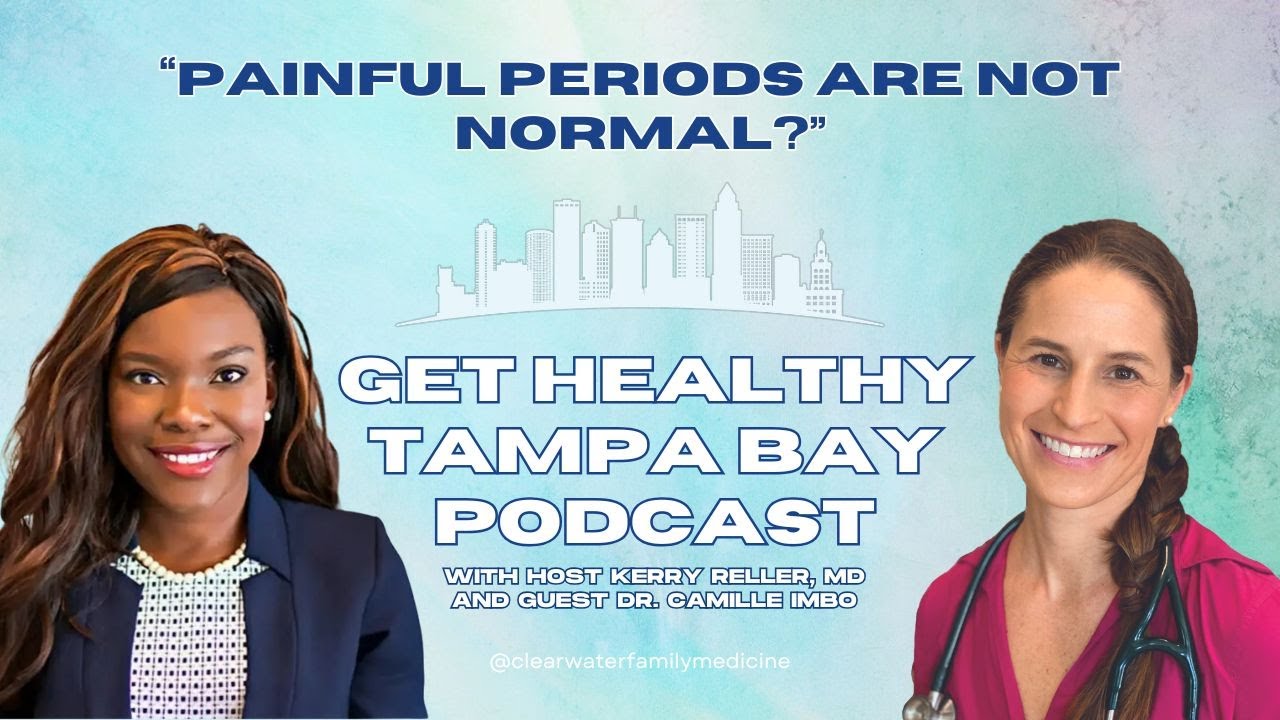
Girls are born with all their reproductive parts, and things can go wrong at any age. Yet pediatricians often are not comfortable with gynecology, and many gynecologists are not trained to care for young children and teens. In this episode of the Get Healthy Tampa Bay Podcast, Dr. Kerry Reller talks with Dr. Camille Imbo, a pediatric and adolescent gynecologist and founder of SPARC Gynecology in St. Petersburg, about the conditions she treats and why early, respectful care matters.
What Is Pediatric and Adolescent Gynecology?
Pediatric and adolescent gynecology cares for girls and young women from birth through their late teens and early 20s. Dr. Imbo works alongside pediatricians, OB-GYNs, endocrinologists, hematologists and other specialists. She trained in medicine at USF, did her residency in Brandon and completed a pediatric and adolescent gynecology fellowship in Phoenix. Growing up with a West African family from Cameroon and speaking several languages, including Spanish, helps her connect with families from many cultures.
When Should Girls First See a Gynecologist?
The recommended age for a first gynecology visit is around 13, since the average girl gets her first period around 12. A first visit is not about a Pap smear. It is a chance to learn what is normal, how to talk about your body and how to advocate for yourself. Conditions like endometriosis and PCOS can show up in the early teens, and many women who wait until their 20s have already suffered for years. Dr. Imbo often hears moms say, "I think I have this too, but no one told me," after their daughters are diagnosed.
Key Takeaways
Periods should not ruin your life: Very heavy or painful periods, missing periods or no period by age 16 to 17 all deserve evaluation.
Ask the right questions: A teen may say her period is "normal" when she is actually soaking through a pad every hour and a half.
Track your cycle: Knowing when periods start, how long they last and how heavy they are makes diagnosis much easier.
Irregular periods are common at first: Only about 60% of girls have regular cycles in the first two years after their first period, and it can take up to six years to fully regulate.
Puberty is starting earlier: Stress, obesity, diet and less exercise may contribute. Studies even showed an increase in early puberty after COVID. A period at age 6, for example, is not normal and should be evaluated.
Ignored problems can have long-term effects: Untreated hormonal conditions can affect fertility, bone health and cancer risk.
Common Conditions She Treats
Abnormal periods: The most common reason for a visit.
Ovarian cysts and twisting of the ovary (ovarian torsion): Which may require surgery.
Differences in development: Such as a partially formed uterus or a hymen that is not fully open.
Hormonal conditions: Including Turner syndrome and congenital adrenal hyperplasia.
Endometriosis and PCOS.
Diagnosing PCOS in Teens Is Different
Polycystic ovary syndrome (PCOS) is really a hormone imbalance, not a disease of ovarian cysts. In adults, diagnosis requires two of three features: signs of high testosterone, irregular periods due to irregular ovulation, and many small follicles on the ovaries. But many teens naturally have acne, irregular periods and lots of follicles. So in teens, Dr. Imbo does not diagnose PCOS within the first two years after periods start, relies on blood tests for high testosterone rather than just acne, and does not use ultrasound for diagnosis. A single cyst seen in the ER does not mean a teen has PCOS.
Creating a Safe Experience
Many adults carry fear from a painful first gynecologic exam. Dr. Imbo wants her patients' first experience to be positive. At the first visit she often does little or no physical exam and instead focuses on conversation and education, explaining what the uterus and ovaries do. When an exam is needed, she gives patients ownership: they can tell her to stop at any time, she uses mirrors to show what she is doing and teaches breathing techniques, and she sometimes performs exams under anesthesia for patients with special needs. She also balances parents' wishes with what is safe and right for the young patient.
Lifestyle and Treatment
Anti-inflammatory foods, movement, heat and yoga can ease period pain for some girls. But if a teen who already eats well and exercises is still bedridden for a week every month, she does not need to "power through" or blame herself. Medication is okay and sometimes necessary.
A Different Kind of Practice
SPARC Gynecology is a direct care practice for patients 25 and younger. It does not bill insurance, so there are no prior authorizations or rushed 10-minute visits. Pricing is transparent, and membership options let patients text, call or visit as often as they need. Dr. Imbo also hosts PAG Over Pastries, a podcast that educates clinicians about pediatric and adolescent gynecology.
Conclusion
Dr. Imbo's favorite health tip is "everything in moderation." You do not need to give up pizza, just do not eat the whole pizza every day, and add a salad. Consistency beats extremes. And if your daughter's periods or body changes seem off, trust that instinct and find a specialist who will listen.
Listen to the full episode on the Get Healthy Tampa Bay Podcast: Pediatric & Adolescent Gynecology Explained with Dr. Camille Imbo
Listen and Learn More
Watch the full episode above or listen to the Get Healthy Tampa Bay Podcast on your favorite podcast app. To schedule a visit with Dr. Kerry Reller at Clearwater Family Medicine and Allergy in Clearwater or Palm Harbor, call (727) 446-1097.


