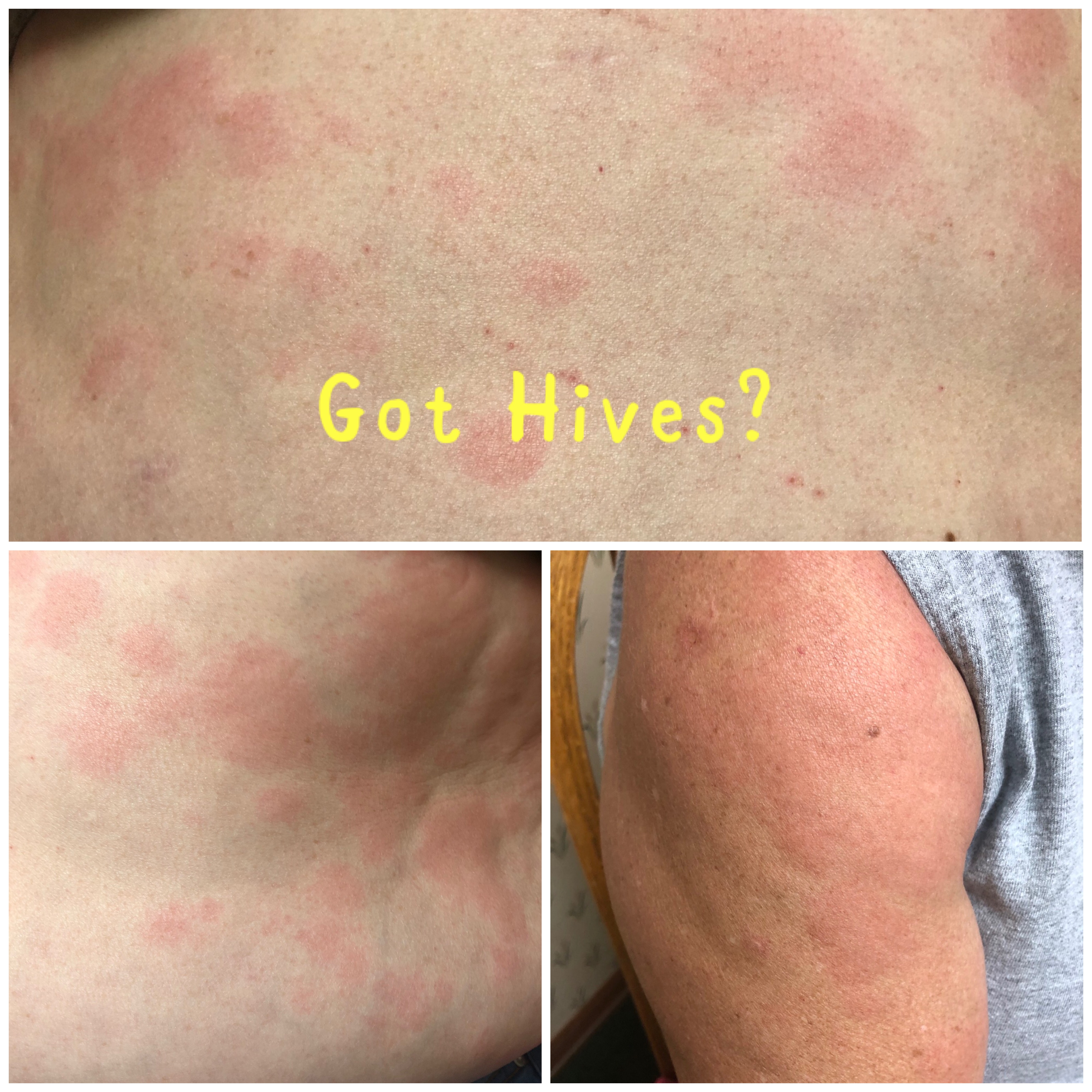
Hives Explained: Acute vs. Chronic Urticaria with Dr. Kerry Reller
Hives are one of the most common reasons patients come to Clearwater Family Medicine and Allergy, and one of the most frustrating conditions to live with. In this post, Dr. Kerry Reller answers the questions patients ask most about hives (urticaria): what they are, how acute hives differ from chronic hives, what causes them, what testing you really need, and the treatments that work, including newer options.
What Are Hives?
Hives are raised, itchy welts on the skin, usually sitting on a red base. They can show up anywhere on the body. A hallmark of hives is that they move around. Each welt usually fades within 24 hours, often within a few hours, and leaves no mark. Meanwhile, new welts can pop up somewhere else. If a single spot lasts longer than a day or leaves a bruise, let your provider know, since that may point to something other than typical hives.
Acute vs. Chronic Hives: It Comes Down to Time
Acute urticaria: Hives that last less than six weeks.
Chronic urticaria: Hives that come and go for more than six weeks. You may hear it called chronic spontaneous urticaria (the newer term) or chronic idiopathic urticaria.
Inducible urticaria: A form of chronic hives set off by a physical trigger, such as pressure, cold, heat or sunlight (solar urticaria).
What Causes Acute Hives?
Viral infections: In kids especially, hives often show up as part of a viral illness. If a child is on an antibiotic at the time, the hives can get blamed on the medicine, and the child ends up labeled "penicillin allergic" for life when they may not be. If you carry that label, ask an allergist about testing.
Medications and supplements: Something you swallowed can trigger a reaction.
Food allergy: Food reactions often start with hives and can include an itchy throat or other symptoms.
Why Can't Anyone Find the Cause of My Chronic Hives?
This is the hardest part for patients. Chronic hives usually aren't caused by something on the outside. They come from within your immune system. Sometimes a virus seems to get the immune system "twitchy" and overreacting, and sometimes there's no clear starting point at all. Autoimmune conditions, like thyroid disease, can overlap with chronic hives.
Many patients change their detergents, soaps, lotions and diets trying to find the culprit, but the hives don't line up with any one thing. If you eat a banana every day and only break out some days, the banana probably isn't the problem. Once we know it's chronic hives, I gently encourage patients to stop driving themselves crazy hunting for an outside trigger.
What Testing Will I Need?
Often not much. Extensive testing usually doesn't change how chronic hives are treated. When patients want answers, which is completely understandable, I may check:
Basic labs: A CBC and CMP, plus inflammatory markers.
Thyroid and autoimmune tests: Because autoimmune conditions can overlap with chronic hives.
Total IgE and thyroid antibodies (anti-TPO): These help predict treatment response. A low IgE or positive anti-TPO can point to an autoimmune type of chronic hives that may respond more slowly or less well to Xolair.
Tryptase: If there's a history of anaphylaxis.
I also watch for angioedema, a deeper swelling of the lips, eyes or hands. When it comes with hives, it's usually histamine related. When it shows up without hives, it may involve a different pathway (bradykinin) and needs a different workup. If you've had angioedema while taking an ACE inhibitor (like lisinopril) or an ARB (like losartan), we usually recommend avoiding that type of medication for life, even though in some cases it may not have been the cause.
How Are Hives Treated?
Second-generation antihistamines come first: We've moved away from older, sedating ones like Benadryl (diphenhydramine) and hydroxyzine. Instead we use Zyrtec (cetirizine), Allegra (fexofenadine), Xyzal (levocetirizine) or Claritin (loratadine). Everyone responds a little differently.
Higher doses may be needed: Under your doctor's guidance, these can be increased up to four times the over-the-counter dose, for example two tablets twice a day. Please don't do this without talking to your provider first.
Add-ons we've stopped using: H2 blockers like famotidine and montelukast used to be common, but they haven't been shown to help much for hives.
Biologic injections: If high-dose antihistamines don't work or aren't tolerated, Xolair (omalizumab) and Dupixent (dupilumab) are options. Xolair is usually given monthly and Dupixent every two weeks. Over time, we can sometimes stretch out the dosing. I have a patient who now only needs his Xolair about every three months.
A newer pill option: In 2025, remibrutinib (Rhapsido) was approved for chronic hives that don't respond to antihistamines. It's taken by mouth twice a day, so no injections, and we have patients doing quite well on it.
Will My Chronic Hives Ever Go Away?
They can. Chronic hives can go into remission, and they can also come back later, sometimes after a stressor. Everyone's course is different, so I can't promise a timeline.
Adults: One pooled analysis estimated about 17% are in remission at one year and about 45% at five years. Another study found a median duration of nearly four years, with about a third of people having a come-and-go pattern.
Kids: Children tend to do better, with roughly 40% in remission at one year and 70% at four years in one study.
Stopping medicines: We don't have clear rules on when to stop, especially biologics. Often we slowly space out doses and see how you do.
Can Stress or Hormones Make Hives Worse?
Stress: We can't say stress causes hives, but research reviews suggest chronic stress can trigger or worsen them, likely because stress releases chemical messengers that activate the immune cells involved. Living with itchy, unpredictable hives is stressful too, which can keep the cycle going.
Hormones: Chronic hives affect women about twice as often as men, and many women notice flares around their menstrual cycle, pregnancy or perimenopause. If you see a pattern, mention it to your provider.
What Can I Do at Home?
Avoid NSAIDs: Ibuprofen (Advil, Motrin), naproxen (Aleve) and aspirin can make hives worse.
Limit alcohol: And ask your provider before taking codeine-type pain medicines, which can also flare hives.
Cool things down: Ice packs or cool, damp cloths can calm the itch by giving your nerves a different sensation to focus on. Calamine lotion and soothing creams help too.
Know your type: A cool or warm shower may feel good, but if you have cold- or heat-induced hives, temperature can make things worse.
Wear loose clothing: Especially if pressure triggers your hives.
Keep a hive diary: Snap photos and note when hives appear. It's very helpful at your appointment, since hives are often gone by the time you see us.
When Should I Go to the ER?
Most hives aren't an emergency. But go to the ER or call 911 if hives come with:
Breathing problems: Trouble breathing, wheezing or shortness of breath.
Swelling: Of the tongue, throat or lips.
Dizziness or fainting: Or feeling like you might pass out.
Vomiting or belly cramps: Especially after eating a food.
These can be signs of anaphylaxis, a severe allergic reaction. If you've been prescribed an epinephrine auto-injector (like an EpiPen), use it right away and then get emergency care. Also seek care if your hives keep getting worse and aren't controlled by the medicines you have at home.
Key Takeaways
Six weeks is the dividing line: Hives lasting less than six weeks are acute, and hives coming and going longer than that are chronic.
Chronic hives come from within: They usually aren't caused by detergents, soaps or a single food, so you can stop hunting for an outside trigger.
Antihistamines are first line: Non-sedating antihistamines, up to four times the usual dose with your doctor's guidance, control hives for many people.
There are more options than ever: Xolair, Dupixent and the newer pill remibrutinib help when antihistamines aren't enough.
Know the emergency signs: Trouble breathing, throat or tongue swelling, fainting or vomiting with hives needs emergency care.
Conclusion
Hives are common, and chronic hives can be exhausting. The good news is that we have more effective treatments than ever, and many people do go into remission. If your hives have lasted more than six weeks or are affecting your sleep and daily life, let's talk. Call (727) 446-1097 or visit cfma.health to schedule a visit in Clearwater or Palm Harbor.


