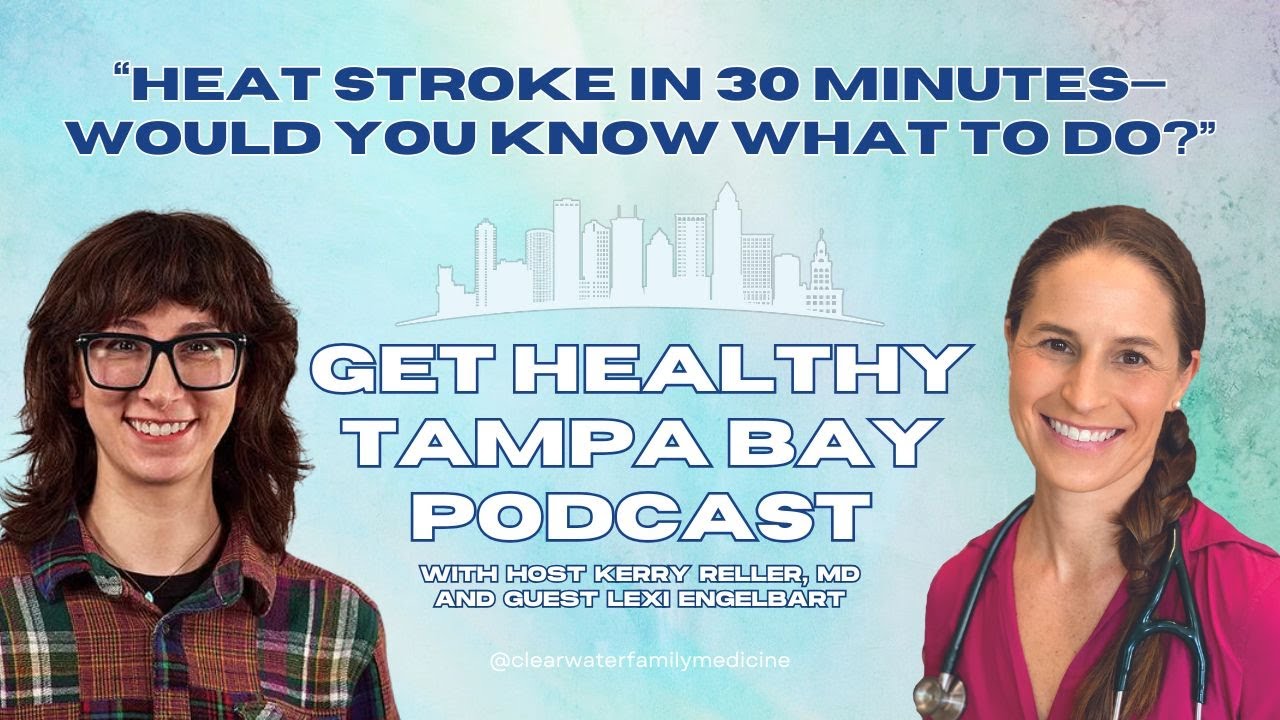
Heat Safety with Lexi Engelbart: Hydration, the TACO Method and Cooling PPE
Heat is the number one weather-related killer in the United States, causing more deaths than floods, hurricanes and tornadoes combined. In this episode of the Get Healthy Tampa Bay Podcast, Dr. Kerry Reller talks with Lexi Engelbart, a product development manager at Ergodyne who specializes in protecting workers from heat stress, about warning signs, emergency cooling and practical ways to stay safe in the heat, whether you work outdoors or are cheering at your child's football game.
Why Heat Safety Matters
Lexi notes that four out of five Americans have experienced some form of heat stress, and more than a quarter do not know how to respond in an emergency. Recent years have been among the hottest on record, and heat waves are becoming more frequent. Dr. Reller adds that Tampa Bay faces extra risk after hurricanes, when many people lose power and air conditioning. Heat stress is not just a job site issue. It affects athletes, kids in football pads, weekend warriors and people who work indoors near ovens or machinery.
Know the Warning Signs
Heat rash: Clogged sweat ducts cause small blisters, often when sweat cannot evaporate in humid, still air.
Heat cramps: Painful muscle cramps, often from losing fluid and electrolytes.
Heat exhaustion: Dizziness, nausea, headache, heavy sweating, weakness and fatigue.
Heat stroke: A medical emergency. Watch for confusion, strange behavior, fainting or unconsciousness. Some people stop sweating, though people overheating during exercise may still be sweating.
Lexi explains that heat affects thinking early, so people may make poor decisions, like driving home when they feel sick. Look out for coworkers, teammates and family members who seem "off."
Key Takeaways
Water, rest and shade: OSHA's long-standing advice is simple and effective. Rest breaks work best when you actually cool down in the shade.
Hydrate all day: Do not wait until you are thirsty or about to exercise. Swapping an energy drink for flavored water can help.
Give your body time to adjust: Many heat-related deaths happen in a worker's first two weeks on the job, before the body has adjusted to the heat.
Know your personal risks: Some medications, heart conditions, diabetes, alcohol the night before and breastfeeding can all raise your risk.
Replace electrolytes when needed: After long sweaty workouts or races, electrolytes may help prevent cramps.
The TACO Method for Heat Stroke
If someone shows signs of heat stroke, call 911 right away and start cooling them immediately. The goal is to cool the body as quickly as possible, ideally within 30 minutes, to prevent organ and brain damage. If you cannot get them into air conditioning or an ice bath, try the TACO method, short for Tarp-Assisted Cooling with Oscillation. Lay the person on a tarp, pull up the edges, pour in ice and cold water and keep the water moving over their body until paramedics arrive. No tarp? Use a tent wall, remove extra layers, move them to the shade and apply ice to the neck, armpits and groin.
Gear That Helps Your Body Cool
Lexi says personal protective equipment should be the last line of defense, after employers adjust work schedules and provide shade and breaks. Still, the right gear makes a big difference:
Sun protection: Sunscreen, brim shades for hard hats and clothing rated for UV protection (UPF).
Moisture-wicking fabrics: Lightweight performance fabrics help sweat evaporate, which is how the body cools itself.
Phase change cooling packs: These stay at about 64 degrees and slowly pull heat from the body, which is helpful in humid areas or when wearing protective suits.
Cold snacks: Freeze pops and pickles are popular on job sites and encourage breaks.
Conclusion
Heat illness is preventable. Hydrate throughout the day, take breaks in the shade, listen to your body and look out for the people around you. If someone becomes confused or collapses in the heat, call 911 and start cooling them right away. If you live in the Tampa Bay area and have questions about how your medications or health conditions affect your heat risk, Clearwater Family Medicine and Allergy can help. Call (727) 446-1097 or visit cfma.health.
About Our Guest
Lexi Engelbart is a Product Development Manager at Ergodyne, where she specializes in creating solutions to mitigate heat stress for frontline and industrial workers. Through Project Heat, Lexi partners with safety professionals and end users to raise awareness about heat risks and to design innovative PPE that transitions seamlessly from the jobsite to everyday life.
Listen to the full episode on the Get Healthy Tampa Bay Podcast: Heat Safety with Lexi Engelbart: Hydration, TACO Method, and Cooling PPE
Listen and Learn More
Watch the full episode above or listen to the Get Healthy Tampa Bay Podcast on your favorite podcast app. To schedule a visit with Dr. Kerry Reller at Clearwater Family Medicine and Allergy in Clearwater or Palm Harbor, call (727) 446-1097.


