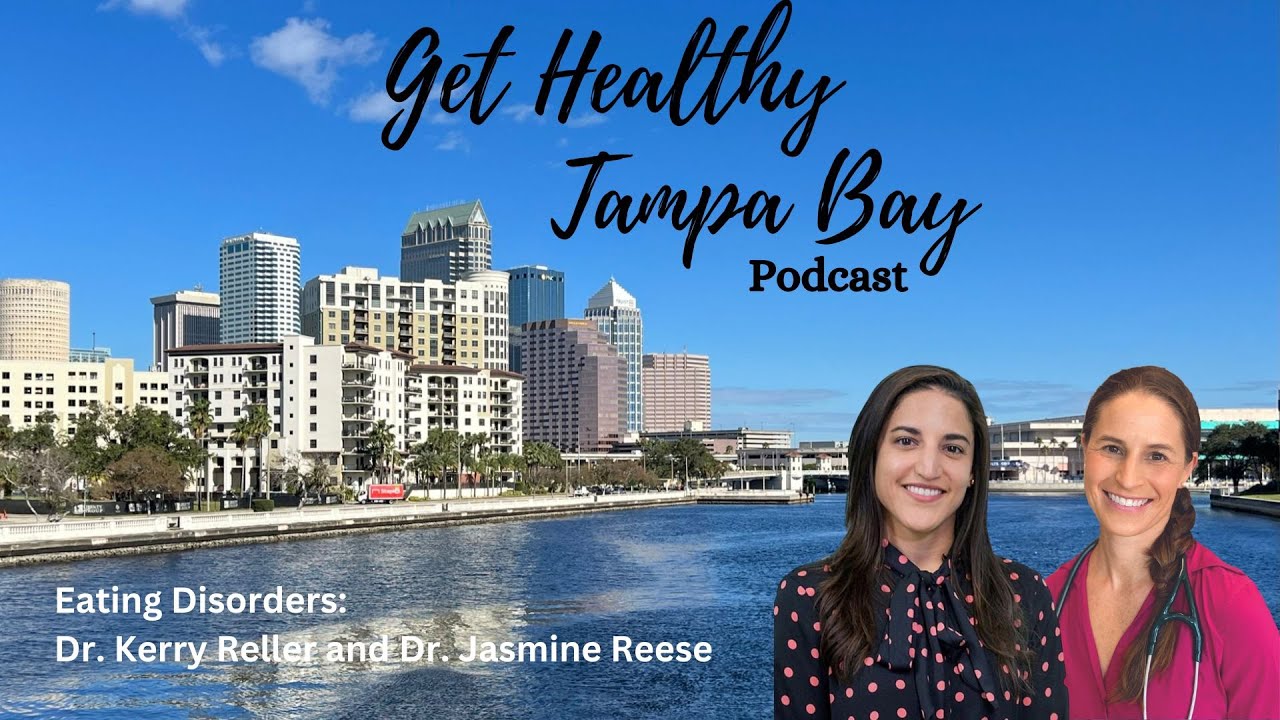
Does my loved one have an eating disorder? with Dr. Jasmine Reese
If you are worried that someone you love has an eating disorder, you are not alone, and early help makes a big difference. In this episode of the Get Healthy Tampa Bay Podcast, Dr. Kerry Reller talks with Dr. Jasmine Reese, a double board-certified pediatrician and adolescent medicine specialist who directs the Adolescent and Young Adult Specialty Clinic at Johns Hopkins All Children's Hospital in St. Petersburg, about the signs of eating disorders and how families can get support.
What Is an Eating Disorder?
Many people have imperfect eating habits, but an eating disorder is different. It is a mental health condition that takes over a person's thoughts and daily life, often driven by fear of weight gain or a negative body image, and it can affect friendships, school and work. Eating disorders also have serious medical consequences. Common types include:
Anorexia nervosa: Restricting food out of an intense fear of gaining weight.
Bulimia nervosa: Episodes of eating very large amounts of food with a sense of loss of control, followed by behaviors to make up for it. People with bulimia often do not look underweight.
Binge eating disorder: Recurring binge episodes without the compensating behaviors.
ARFID (avoidant/restrictive food intake disorder): Avoiding food for reasons other than body image, such as fear of choking after a bad experience or pain with eating. It can lead to serious weight loss and malnutrition.
Why Eating Disorders Are Dangerous
Restricting, purging or misusing laxatives can throw off electrolytes like potassium and sodium, which can affect the heart. A very low heart rate, dizziness, fainting, chest pain or palpitations are warning signs that need medical attention right away. Some patients need to be admitted to the hospital directly from a clinic visit to stay safe.
Who Is at Risk?
Teens are especially vulnerable because they are still developing and are strongly influenced by peers and their environment. Dr. Reese says constant exposure to body comparison on social media has contributed to rising numbers of eating disorders, now seen in younger children as well as adults. Rather than banning social media, she helps teens notice which apps make them feel bad and decide for themselves to take a break.
Signs to Watch For
Changes at meals: Avoiding family meals, standing or fidgeting while eating, cutting food into tiny pieces, not finishing meals or insisting on serving themselves
Physical changes: Weight loss, fatigue, dizziness or trouble keeping up with friends during activities
Mood and behavior changes: Withdrawal, anxiety around food or excessive exercise
How to Help
If you are concerned, find a calm, private moment and let the person know what you have noticed and that you care. Many people are relieved when someone finally asks. Then help them see a doctor.
Key Takeaways
Treatment takes a team: Dr. Reese's clinic brings together a physician, psychologist and dietitian, and sometimes speech or feeding therapists for ARFID, so families get a complete plan in one visit.
Early care matters: The sooner treatment starts, the better the chances of recovery.
Be compassionate: Eating disorders are illnesses, not choices.
Support is available: The National Alliance for Eating Disorders offers a free helpline at (866) 662-1235, staffed by licensed therapists.
Conclusion
Eating disorders can affect anyone, and families do not have to navigate them alone. If you notice warning signs in yourself or someone you love, reach out to a doctor. If you live in the Tampa Bay area and need a primary care physician to help you take the first step, Clearwater Family Medicine and Allergy can help. Call (727) 446-1097 or visit cfma.health.
Connect with Dr. Jasmine Reese
Listen to the full episode on the Get Healthy Tampa Bay Podcast: Are you concerned your loved one has an eating disorder? With Dr. Jasmine Reese
Listen and Learn More
Watch the full episode above or listen to the Get Healthy Tampa Bay Podcast on your favorite podcast app. To schedule a visit with Dr. Kerry Reller at Clearwater Family Medicine and Allergy in Clearwater or Palm Harbor, call (727) 446-1097.


