Building Emotional Health with Dr. Shahana Alibhai
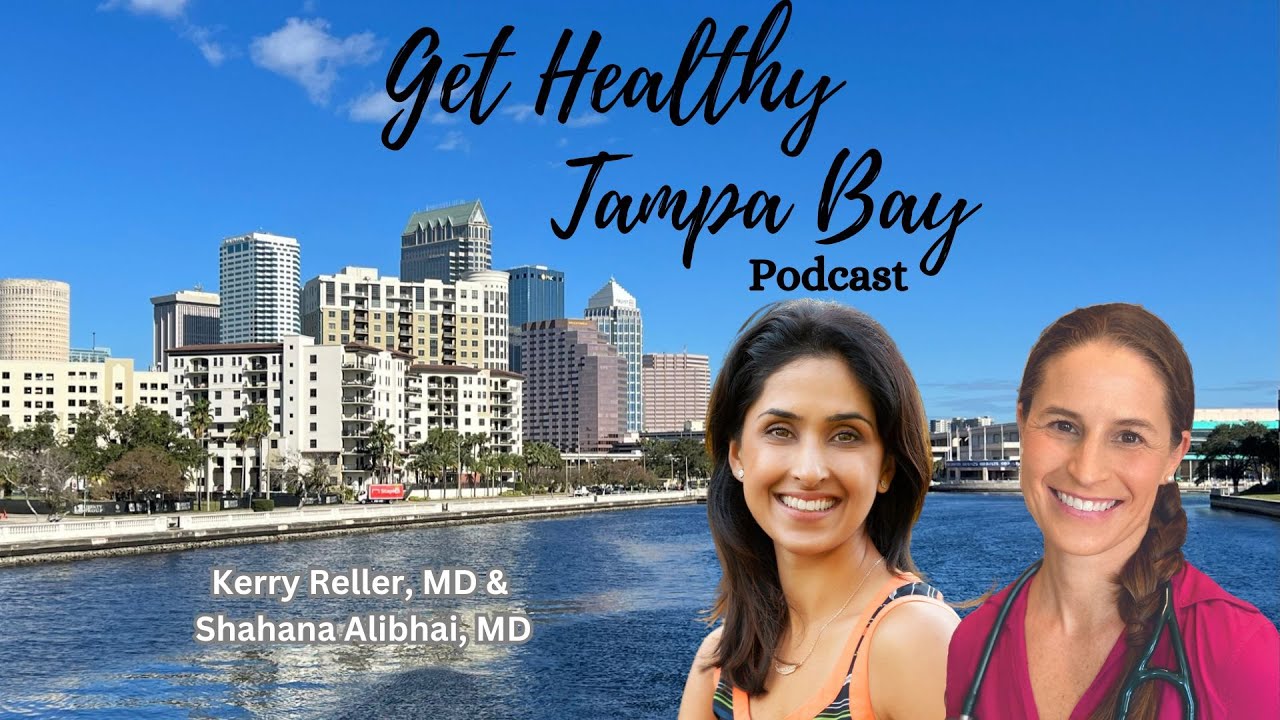
We learn reading, writing and math in school, but most of us never learn how to understand our emotions. In this episode of the Get Healthy Tampa Bay Podcast, Dr. Kerry Reller talks with Dr. Shahana Alibhai, a family physician near Vancouver who works with youth ages 12 to 24 and in breast health, a TEDx speaker and author of Feel Better, about emotional literacy and how to build emotional health for ourselves and our kids.
Dr. Shahana's Story
Dr. Shahana began having distressing intrusive thoughts at age four or five but did not have a name for them until medical school, when she learned about a form of obsessive-compulsive disorder (OCD) sometimes called "pure O," in which intrusive thoughts occur without visible compulsions like hand-washing or checking. After her first son was born, her symptoms intensified. Intrusive thoughts, including frightening thoughts about harming the baby, are common in postpartum OCD, even in women with no prior diagnosis, and they do not mean a parent will act on them. With counseling, a psychiatrist and medication, she slowly recovered. Her lesson: mental health can ebb and flow, and learning to live well with it is possible.
Breaking the Stigma
Society has become more comfortable talking about anxiety and depression, but conditions like OCD, bipolar disorder and schizophrenia still carry stigma. Dr. Shahana suggests a gentle first step: share what you are going through with someone who is neither extremely close nor a stranger, like a trusted colleague, to practice putting it into words.
What Is Emotional Intelligence?
Unlike IQ, which stays fairly fixed, emotional intelligence, or EQ, can grow with practice. It includes self-awareness, awareness of others and communication. Dr. Shahana notes that employers increasingly value these skills, and calling them "soft skills" undersells how important they are. Kids learn them best by watching what adults do.
The Three S's of Emotions
Sensation: Your body often notices an emotion first, like a racing heart or tight shoulders. Try squeezing and relaxing the steering wheel at a stop sign to release tension.
Story: The constant narration in your head. Watch for the "three C's": critiquing yourself, comparing yourself to others and cautioning yourself with "I can't."
Significance: Strong emotions point to what you value. What fires you up reveals what matters to you.
Key Takeaways
Say "I feel," not "I am": "I feel angry" reminds you that emotions come and go, rather than defining who you are.
No emotion is good or bad: Some are comfortable and some are uncomfortable, and all of them carry information.
Unlearning takes practice: Old coping habits do not disappear overnight. Each day is a chance to try again, and it is okay to tell your kids when you wish you had reacted differently.
Your story is yours: One teen patient in foster care told Dr. Shahana, "Don't feel sorry for me. I see myself as a person with potential."
Help is available: If you are struggling during pregnancy or after birth, call or text the Postpartum Support International helpline at 1-800-944-4773. For any mental health crisis, call or text 988.
Conclusion
Emotional health is a skill we can all build, and modeling it is one of the best gifts we can give the young people in our lives. If you live in the Tampa Bay area and want support with your mental and physical health, Clearwater Family Medicine and Allergy can help. Call (727) 446-1097 or visit cfma.health.
About Our Guest:
Dr. Shahana Alibhai is a family physician and mental health advocate based in Canada. With a passion for supporting marginalized populations, she works closely with adolescents and young adults, helping them navigate the complexities of mental health. Dr. Alibhai's personal experiences with OCD and postpartum challenges have shaped her approach to patient care, emphasizing the importance of communication and emotional intelligence. She is also a TEDx speaker and author of the upcoming book, "Feel Better," which aims to provide relatable insights and tools for improving mental health. Connect with Dr. Alibhai on her website and social media platforms to learn more about her work and upcoming projects.
Guest Links
Listen to the full episode on the Get Healthy Tampa Bay Podcast: Building Emotional Health with Dr. Shahana Alibhai
Listen and Learn More
Watch the full episode above or listen to the Get Healthy Tampa Bay Podcast on your favorite podcast app. To schedule a visit with Dr. Kerry Reller at Clearwater Family Medicine and Allergy in Clearwater or Palm Harbor, call (727) 446-1097.


